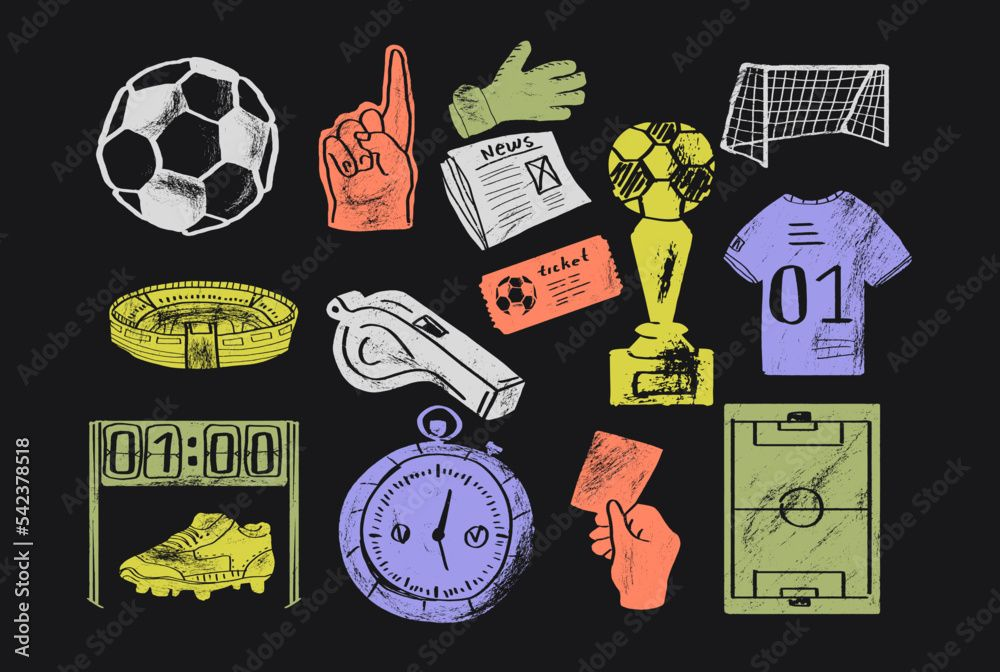
Before social media, sports fandom was linear. Fans watched games live or on TV, read the newspaper for updates, and occasionally saw interviews on sports channels. Interaction with players or teams was limited and one-directional.
Today, social media has turned fans into participants instead of spectators. A single highlight can go viral in minutes. A goal celebration becomes a meme. A player’s personal story reaches millions without a reporter acting as the middleman.
Fans now:
- React in real time
- Create their own content
- Build communities online
- Follow players closely beyond the pitch
- Feel more connected than ever before
This shift has resulted in a more emotional, interactive, and fast-paced sports culture one that deeply influences what fans buy, how they consume content, and who they trust.
Athletes as Influencers
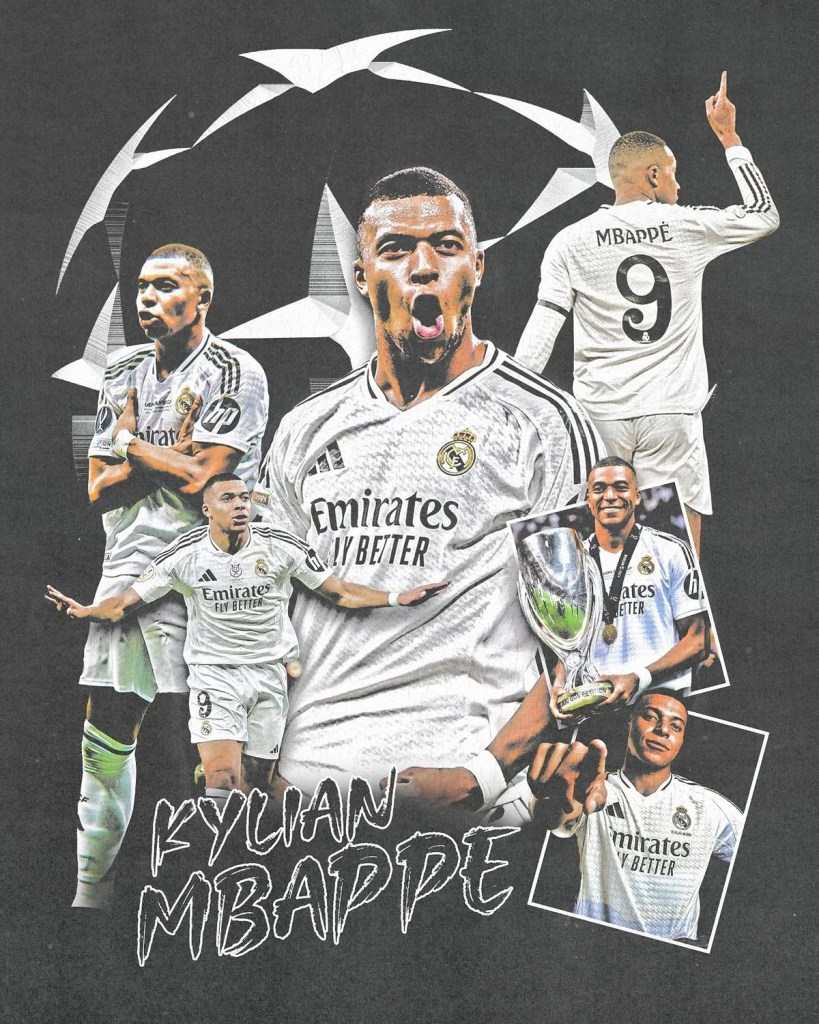
One of the biggest changes social media brought to sports is the rise of athletes as global influencers. Players used to be known mainly for their performances on the field; now, their personal brand is just as important.
Athletes like Mbappé, Haaland, Vinícius Jr., and Messi have millions of followers who track their daily lives, fashion choices, and behind-the-scenes moments.
This creates new opportunities:
- Direct Communication: Players speak to fans without journalists.
- Powerful Marketing: A single Instagram post can generate more reach than a TV commercial.
- Cultural Influence: Hairstyles, celebrations, outfits, and phrases spread quickly through social media.
Vintage jerseys also thrive in this environment. When athletes or influencers are seen wearing classic kits, it fuels nostalgia and fashion trends, something that directly benefits brands like T-Style.
The Role of Social Media in Preserving Football Nostalgia
Social media has a unique ability to revive old moments. A clip of Zidane’s skills, Ronaldo Nazário’s dribbles, or Ronaldinho’s magical assists can appear on millions of phones in seconds. These moments reintroduce younger fans to iconic eras they never watched live.
Classic jerseys like Brazil ’94, France ’98, Barcelona 04/05, or Germany ’90 gain immense popularity because fans want to represent those iconic memories.
Online platforms encourage this trend by:
- Reposting historic highlights
- Creating “Top 10 Moments” montages
- Sharing throwback photos of famous players
- Celebrating tournament anniversaries
- Sparking nostalgic conversations
This digital rediscovery is one of the biggest reasons retro football fashion has become mainstream.
The Power of Community-Driven Content
Social media allows fans to create their own content, something that did not exist 20 years ago. Fan-made edits, jersey collections, memes, match reactions, and commentary videos all help shape football culture.
Platforms like TikTok and YouTube are full of:
- Jersey unboxings
- Retro kit styling videos
- Collector showcases
- “Best goals of the ’90s” edits
- Discussions about historic tournaments
These pieces of content have enormous influence because they feel authentic, relatable, and community-driven. Fans trust other fans, and user-generated content has become one of the strongest engines for trends, including sports fashion.
How Clubs Use Social Media to Build Their Brand
Football clubs rely heavily on social media to maintain relevance and connection. Their strategies include:
1. Behind the scenes access
Training clips, locker room moments, travel videos, and pre-match rituals make fans feel included.
2. Player-focused content
Short interviews, challenges, reactions, and personal stories keep engagement high.
3. Matchday storytelling
Countdowns, in-game highlight clips, fan reactions, and post-match summaries allow fans worldwide to stay connected.
4. Merchandise promotion
Social media is now the primary channel for kit launches. Clubs build hype with teasers, influencer collaborations, and stylized photoshoots.
5. Engagement campaigns
Polls, quizzes, hashtags, and interactive content make fans part of the conversation.
This digital ecosystem has fundamentally changed how clubs manage their reputation, reach global audiences, and drive revenue.
Social Media’s Impact on Sports Fashion
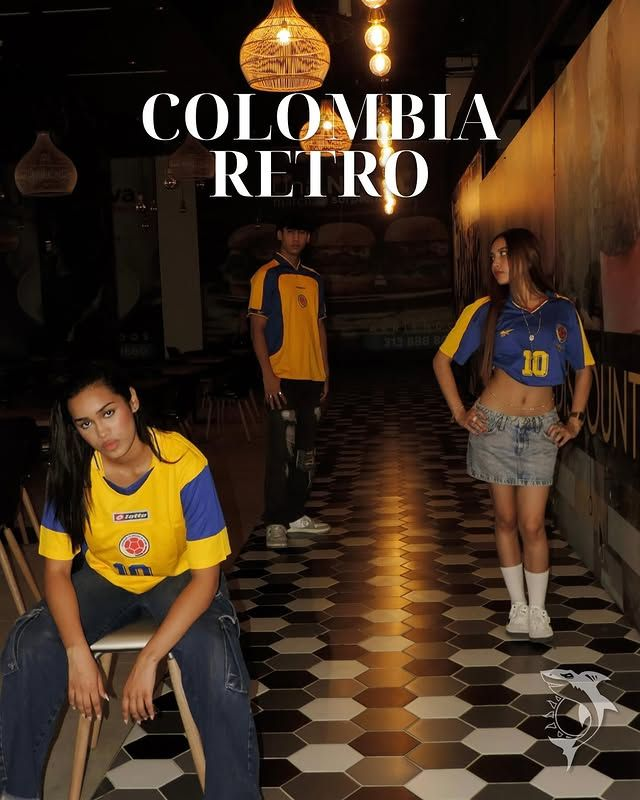
Social media has turned sports fashion into lifestyle fashion. People are no longer wearing jerseys only to watch matches they’re wearing them:
- At school
- At parties
- In photoshoots
- At festivals
- As part of streetwear outfits
This shift happened because social media normalized and popularized jersey culture. Influencers styling vintage kits with jeans, jackets, and sneakers made retro football fashion accessible and desirable.
Platforms like Instagram and TikTok amplify:
- Outfit inspiration
- Trend predictions
- Vintage drops
- Limited edition releases
- Collector features
This has created an entire online community around sports fashion something that T-Style Classic Jerseys fits into perfectly.
Why Social Media Is Essential for Brands Like T-Style Classic Jerseys
Here’s how social media helps T-Style grow:
1. Organic Visibility
Images and videos of your classic jerseys can reach thousands of potential customers without paid ads.
2. Community Building
Fans of classic football culture gather around brands that share their passion.
3. Storytelling Power
Each jersey has a story of World Cups, legends, and unforgettable matches. Social media helps bring those stories to life.
4. Trust and Credibility
User-generated content, reviews, and influencer partnerships build brand confidence.
5. Trend Participation
Your brand stays relevant by engaging with football nostalgia trends and viral moments.
The Future of Social Media in Sports
Social media will continue evolving, and sports will evolve with it. Over the next decade, we can expect:
More athlete-driven content
Players will rely less on clubs and media to tell their stories.
More immersive experiences
AR and VR could allow fans to “enter” stadiums digitally.
More short-form content
TikTok-style highlights will continue dominating.
More global fandom
Fans from different countries will connect deeply through digital communities.
More influence on fashion
Vintage and retro styles will keep trending as nostalgia grows.
For brands like T-Style, the future is full of opportunity.
Social media has reshaped the sports world in ways that were once unimaginable. It has created deeper connections, revived football nostalgia, expanded global fandom, and turned classic jerseys into iconic fashion pieces. For fans, it provides a space to celebrate their favorite players, share memories, and express passion.
For brands like T-Style Classic Jerseys, social media is not just a marketing tool it’s the heartbeat of the community. It brings football history to life, inspires fashion trends, and connects fans across generations.
As long as fans continue sharing goals, memories, and vintage kits online, sports culture will keep evolving and classic jerseys will continue to shine.